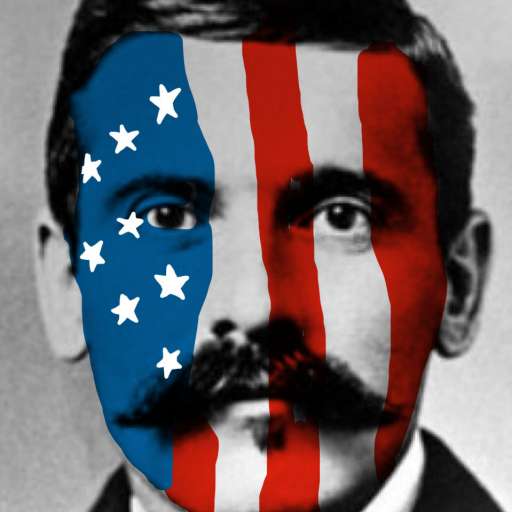
In 1945, Solzhenitsyn was a decorated Soviet officer who made a small, private joke about Stalin in a letter.
The state opened it, read it, and treated it as a crime. Within weeks he was arrested and stripped of rank. He was fed into the camps, and sentenced to eight years in the Gulag.
The camps were designed to teach one lesson: say nothing, remember nothing, become nothing. He shoveled frozen concrete until his hands split and bled.
Years later, Solzhenitsyn would write, “Bless you, prison, for having been in my life.” It sounds insane until you understand what he meant. Prison showed him the truth of the regime in its purest form.
After his release, the punishment did not end. He lived under constant surveillance, moving from place to place, knowing that writing a single page could mean death. So he did not write. He memorized. Whole chapters of The Gulag Archipelago lived only in his head. Friends hid scraps of text. Wives memorized passages. For years the book existed only in human memory, as fragile and dangerous as a secret prayer.
When it was finally published, it did not argue that Soviet communism had gone too far. It showed that this was exactly where it led. Solzhenitsyn had learned that systems built on lies survive only if people agree to repeat them, and that the simplest refusal… to stop saying what you know is false… is the first and most dangerous act of resistance.