
Servant of God, persuer of the truth, Patriot, dog breeder. WWG1WGA (Please don't follow me if you are looking for a romantic hookup)
THE PHILISTINE GRAVEYARD
For centuries, skeptics claimed the Philistines of the Bible were nothing more than a mythical people invented by Israelite storytellers. Yet in 2013, archaeologists working at Ashkelon made a groundbreaking discovery: the first-ever Philistine cemetery, containing over 200 burials from the 11th–8th centuries B.C. This find not only reveals fascinating details about their culture, but it also confirms the biblical record of the Philistines as a real and powerful people in the land of Canaan.
The Bible repeatedly refers to the Philistines as Israel’s chief rivals—most famously in the story of David and Goliath. Critics long argued that the lack of direct evidence for Philistine burial customs undermined the Bible’s accuracy. Now, the Ashkelon graveyard has changed the conversation. These graves contain pottery, jewelry, and even weapons buried alongside the dead, matching exactly what we would expect from a distinct, foreign culture. The burial practices also
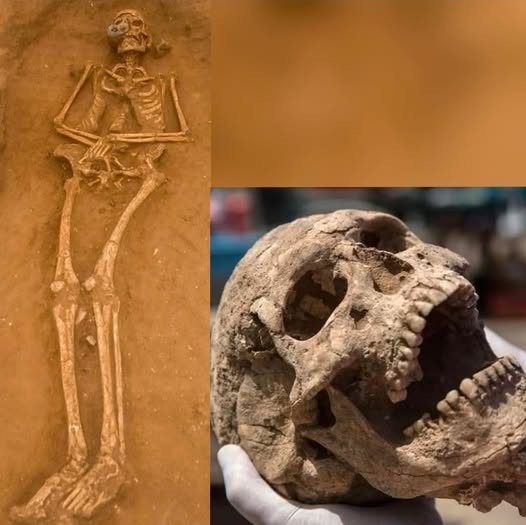
The burial practices also differ sharply from Canaanite customs, showing that the Philistines were indeed a separate people group, just as Scripture describes.
Even more compelling are the genetic studies of these remains. DNA evidence indicates that the Philistines had ties to the Aegean region, consistent with the Bible’s portrayal of them as “Sea Peoples” who came into the land of Israel from across the sea (Amos 9:7). Over time, they intermarried with the local population—exactly what we would expect if we take the Bible’s timeline seriously, with the Philistines settling into the region during the Judges and Kings period.
Far from being a myth, the Philistines were a very real people whose identity, customs, and migration history line up with the biblical record. The Ashkelon cemetery is a stunning confirmation that the Bible’s history is accurate—not legend, but truth preserved for thousands of years.