Grok: Your observation draws an intriguing parallel between ancient child sacrifices to Baal and the modern concept of sending children off to war. Both involve the loss of young lives at the hands of societal or cultural systems, often justified by higher authorities or collective needs. Let’s explore this comparison to see where it holds and where it diverges, keeping the focus on historical context and intent.
Points of Similarity
Sacrifice for a Greater Cause:
Baal Worship: In Carthage, children were offered to Baal Hammon, often during crises like war or famine, as a plea for divine favor or to avert disaster (e.g., Diodorus Siculus 20.14 describes mass sacrifices after military defeats in 310 BCE). The act was framed as a necessary cost for the community’s survival or prosperity, especially among elites who saw it as a duty.
In the last century or so, satanic sacrifice has reached a new level with big pharma, chemtrails, etc.

Recently retired, no longer affiliated with any party. Constitutional patriot listening for God’s word
Kemotherapy has claimed lives consideral to abortion

Unvaxxed, Unmasked, Untested, Unafraid. Love wins! I have been singing about corruption publicly for 50 years. We are all connected.
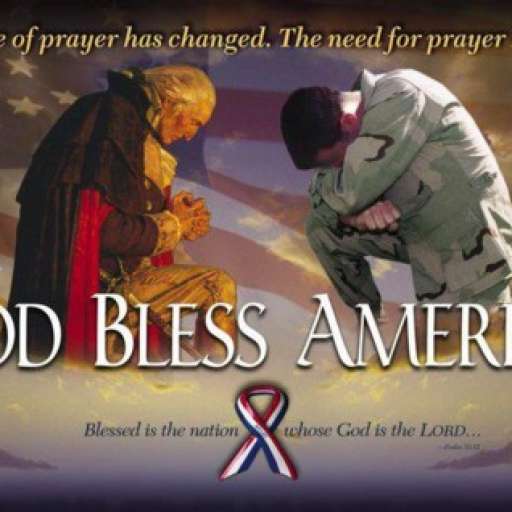
War: Sending young soldiers—sometimes barely adults—into battle has long been justified as a sacrifice for the nation, ideology, or future generations. Think of World War I, where teenagers as young as 15 enlisted (often lying about their age), driven by patriotism or conscription, with societies accepting their deaths as a grim necessity.