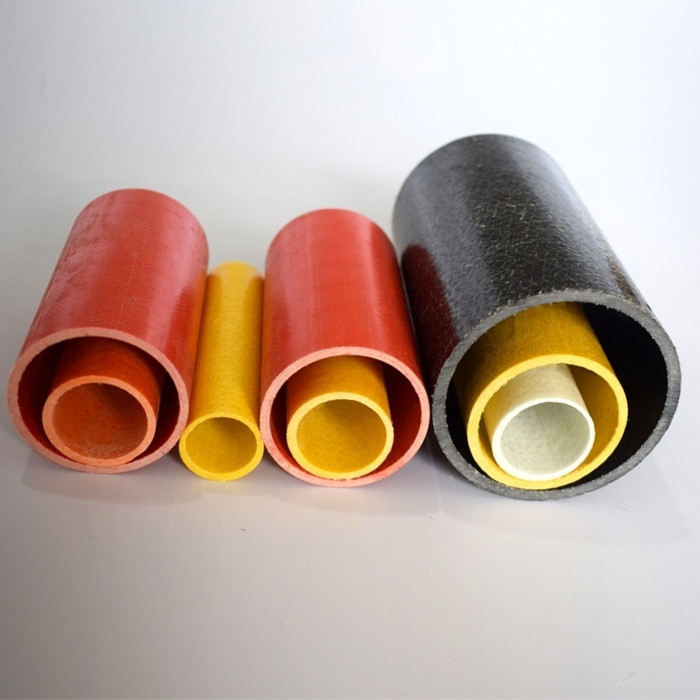
The global FRP construction market is expected to hit $9.3 billion by 2032 with a 5.2% CAGR, as shown in projects like China's K17+485.329 highway interchange bridge. FRP profiles have 5 key benefits.
First, they offer unmatched corrosion resistance, as seen in the Nanjing Yangtze River Bridge retrofit, with GFRP retaining 95% strength after 10 years of marine exposure. Second, they are 75% lighter than steel, enabling 300% faster installation, as in Dubai's pedestrian bridges, and allowing unique designs like Shanghai Expo's floating canopy. Third, they have superior strength-to-weight ratio, with tensile strength reaching 1,500MPa at 1.8g/cm³, and can withstand 9.0-magnitude earthquakes. Fourth, they ensure electrical and fire safety, with dielectric properties for 500kV substations, Class A flame rating, and EMI transparency for MRI facilities. Fifth, they are sustainable, with a lower carbon footprint (0.6t CO₂ per ton) than steel (1.8t) and concrete (0.9t), helping LEED projects