musicalinstrumenthub
17 hours ago


musicalinstrumenthub
@musicalinstrumenthubNotice: Undefined index: user_follows in /home/admin/www/v2.anonup.com/themes/default/apps/profile/content.phtml on line 273
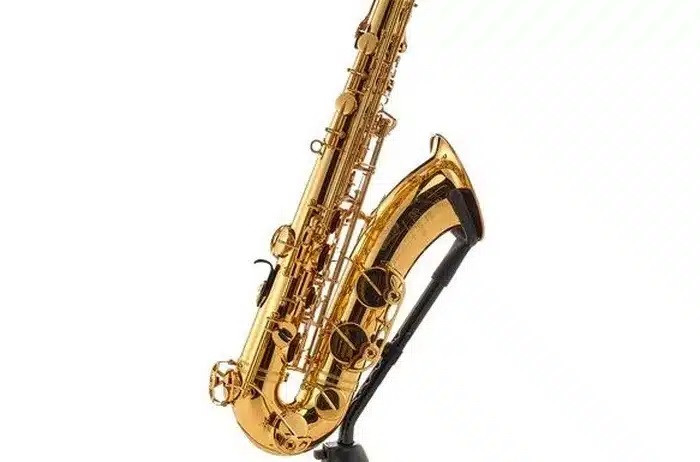
What Reed Strength Works Best for Tenor Saxophone?
The best reed strength for the Tenor Saxophone depends on the player’s experience, mouthpiece setup, and musical style. Beginners benefit from softer reeds that make initial sound production easier, while intermediate players often gravitate toward medium strengths that offer both flexibility and control.
#TenorSaxophone
www.musicalinstrumenthub.com/tenor-saxophone
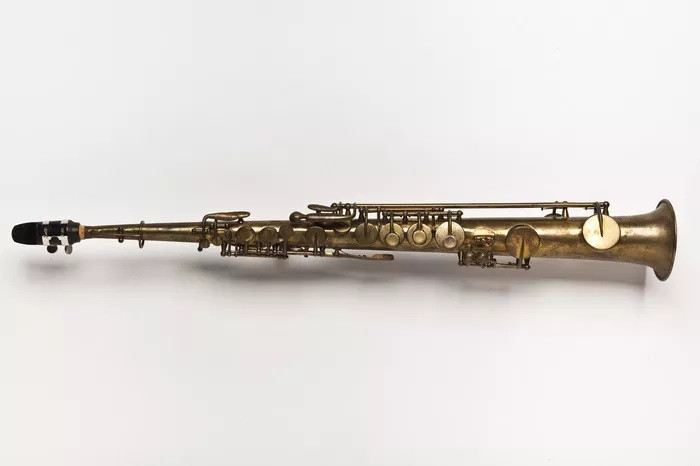
Why Is the Soprano Saxophone Considered Challenging to Play?
The Soprano Saxophone is considered challenging to play because of its sensitivity, its demand for precise embouchure control, its heightened intonation difficulties, and its strict requirements for airflow consistency. While its musical beauty is undeniable, mastering the soprano requires discipline, patience, and a deep understanding of saxophone acoustics.
#SopranoSaxophone
www.musicalinstrumenthub.com/soprano-saxophone
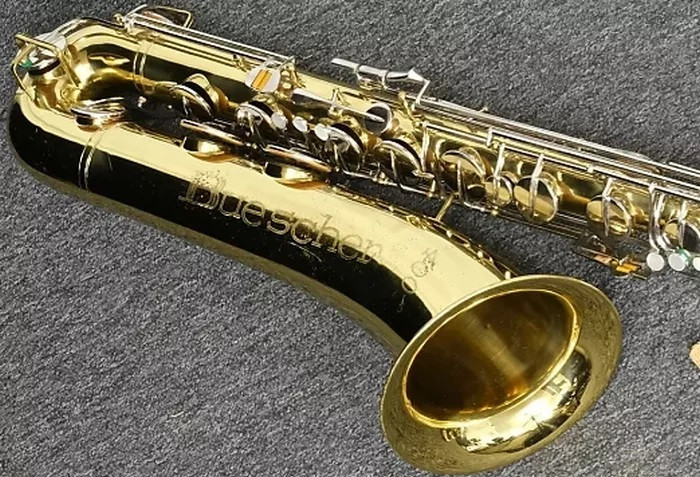
What Is the Difference Between Low A and Low Bb Baritone Saxophones?
While the difference between low A and low Bb Baritone Saxophones may seem like a single note, it represents a broader fork in musical direction. Low A instruments expand the baritone’s role in modern ensemble music, offering a deeper register, a richer foundation, and compatibility with contemporary repertoire. Low Bb instruments preserve the classic baritone sound—lively, incisive, and deeply rooted in jazz tradition.
#BaritoneSaxophones
www.musicalinstrumenthub.com/baritone-saxophone
How Do You Avoid Squeaks on a Tenor Saxophone?
To avoid squeaks on tenor sax, maintain firm but relaxed embouchure, keep the reed moist and properly aligned, use consistent airflow, and avoid biting. Check for leaks, use an appropriate reed strength, and keep the mouthpiece and instrument clean for stable response.
#TenorSaxophone
www.musicalinstrumenthub.com/tenor-saxophone
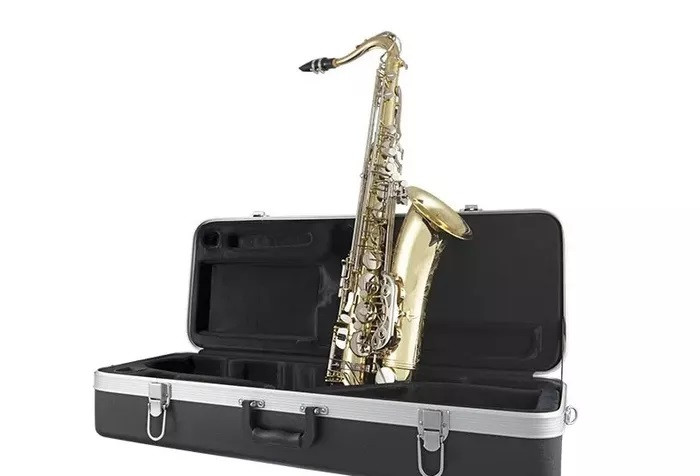
When Was the Double French Horn Invented
The double French horn is a remarkable instrument with a rich history. Its invention in the early 19th century marked a significant advancement in brass instruments, allowing for greater range and versatility. From its early innovations to its role in orchestras and chamber music, the double French horn has become an essential part of the musical landscape.
#FrenchHorn
www.musicalinstrumenthub.com/brass-instruments/french-horn
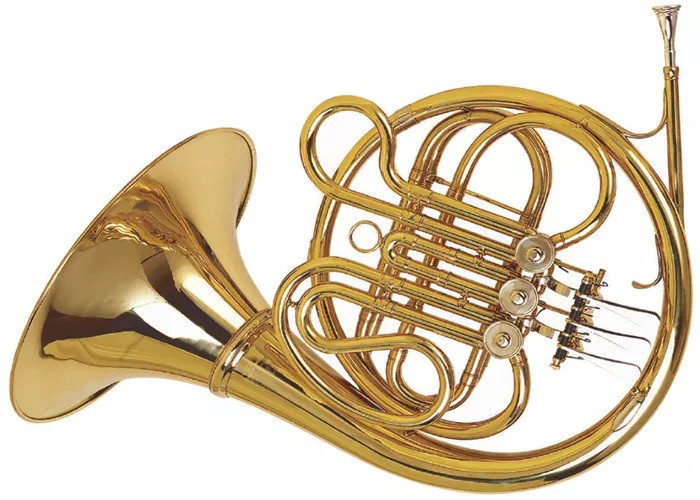
What Does English Horn Transpose To? What You Need to Know
www.musicalinstrumenthub.com/english-horn
Mastering the concept of English horn transposition is a key step for musicians, composers, and educators working with this remarkable instrument. Its transposition to F—a perfect fifth lower than written—has remained consistent for centuries and underpins its functional role in ensembles of all kinds.
From historical orchestral works to modern film scores, the English horn continues to captivate listeners with its unique voice. By understanding how it transposes and why, musicians are better equipped to write for, perform on, and appreciate this deeply expressive instrument.
#EnglishHorn